Urban landscaping is evolving rapidly, influenced by a myriad of factors ranging from climate change to technological advancements and shifting societal values. As cities grow denser and environmental concerns mount, the way we approach urban green spaces must reflect a more sustainable, integrated, and community-focused methodology. This article delves into the emerging trends in urban landscaping that will shape our cities in the coming years.
The Rise of Sustainable Practices
Sustainability has moved from being a buzzword to a critical component of urban landscaping. Cities are increasingly prioritizing practices that not only enhance aesthetics but also contribute positively to the environment. This includes selecting native plants that require less water and are more resilient to local pests, thus reducing the need for chemical interventions.
Rain gardens and bioswales are becoming common features in urban designs. These natural water management systems help mitigate flooding while filtering pollutants from stormwater runoff. Moreover, integrating green roofs and vertical gardens into new buildings provides insulation benefits while creating additional green space in crowded city environments.
Technological Integration in Landscaping
Technology is transforming how we maintain and design landscapes. Smart irrigation systems equipped with sensors can monitor soil moisture levels and weather patterns to optimize water usage, significantly reducing waste. Drones are now commonly used for surveying large areas, allowing landscape architects to gather data quickly and efficiently.
Furthermore, augmented reality (AR) is making its way into landscape design processes. Designers can use AR tools to visualize changes on-site before implementation, allowing for more precise planning and adjustments based on actual conditions. As these technologies become more accessible, they will likely lead to greater efficiency and innovation in urban landscaping projects.
Community-Centric Approaches
Modern urban landscaping is increasingly centered around community needs and engagement. Public spaces are being designed not just for aesthetic appeal but also as multifunctional areas that foster social interaction. Parks must cater to diverse populations, including children, seniors, and people with disabilities.
Community gardens are one example of how local involvement is shaping urban landscapes. These spaces empower residents by allowing them to cultivate their own food while fostering a sense of ownership over their environment. Engaging the community throughout the planning process ensures that new developments reflect local values and preferences.
Biodiversity in Urban Settings
The importance of biodiversity cannot be overstated in today’s urban environments. As cities expand, they often disrupt ecosystems; however, there is a growing recognition of the need to incorporate biodiversity back into these spaces. Urban parks can serve as vital habitats for various species while also providing ecosystem services such as pollination.
Landscape architects are now designing spaces with biodiversity in mind by incorporating flowering plants that attract pollinators or creating wildlife corridors that allow animals safe passage through urban areas. This approach not only enhances ecological health but also enriches the human experience by connecting people with nature.
Climate Resilience Through Green Infrastructure
As climate change continues to pose challenges such as extreme weather events and rising temperatures, cities must adopt resilient infrastructures capable of adapting to these changes. Green infrastructure plays a crucial role in this adaptation strategy.
Permeable pavements help manage stormwater runoff effectively, reducing flooding risks during heavy rains while allowing groundwater recharge. Planting trees strategically can lower urban heat islands' effect by providing shade and cooling effects through transpiration. Such measures are essential for creating livable environments amid changing climatic conditions.
A Shift Towards Maintenance Programs
With these innovative designs comes the necessity for effective maintenance strategies that ensure long-term sustainability of landscapes. Commercial landscape maintenance programs are evolving alongside these trends; they no longer focus solely on aesthetics but emphasize ongoing care that supports ecological health.
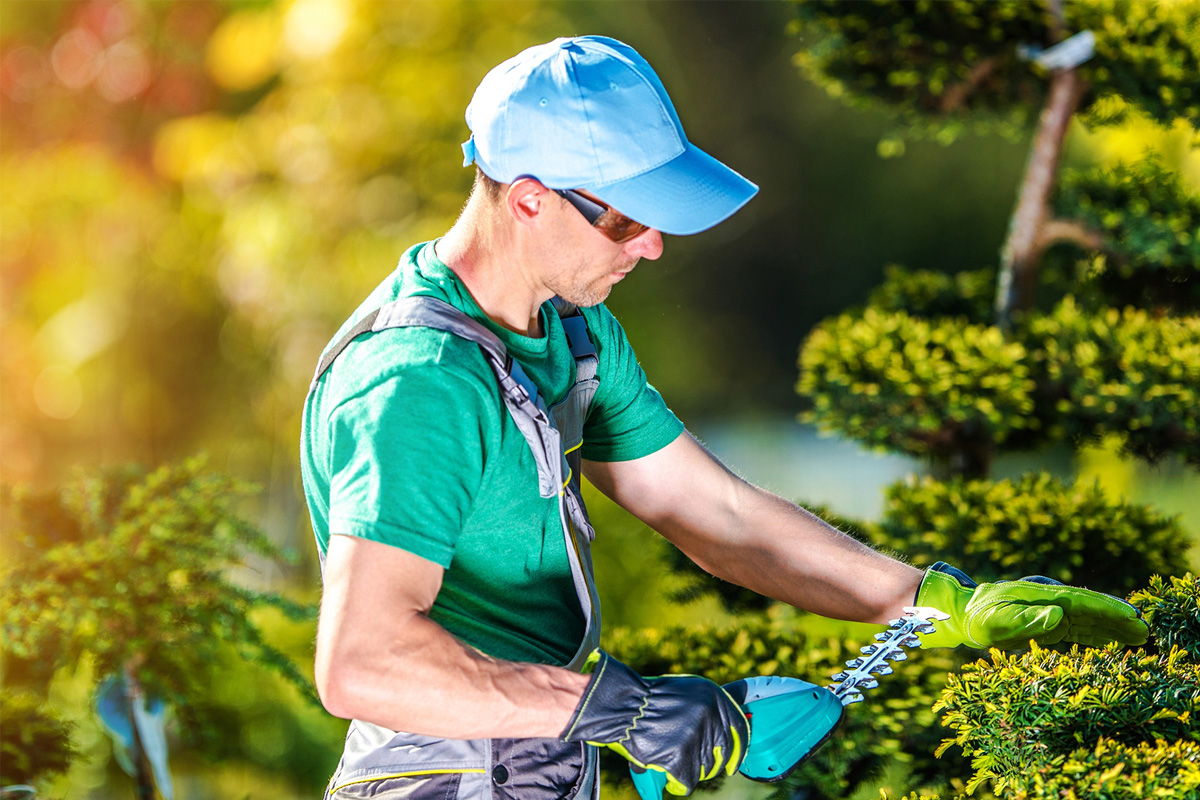
Routine grounds maintenance now incorporates principles of preventative landscape maintenance where potential issues like pest infestations or disease outbreaks are addressed commercial landscape maintenance programs proactively rather than reactively. Full-service landscape maintenance companies offer customized maintenance programs tailored to each site's specific needs — ensuring healthy ecosystems thrive within urban settings.
Scheduled landscape maintenance has gained traction as property managers recognize its importance in preserving investments over time while fostering vibrant landscapes that enhance property value and appeal.
Incorporating Art into Urban Landscapes
Art has always played an important role in shaping public spaces; however, contemporary approaches integrate it more intentionally into landscaping projects. Sculptures made from sustainable materials or murals painted on walls within parks add cultural depth while enhancing visual interest.
Public art installations can transform otherwise mundane areas into vibrant community hubs where people gather or participate in activities like yoga persistent landscape care services classes or outdoor concerts — further emphasizing the social aspect inherent within modern landscape designs.
Conclusion: Embracing Change for Future Landscapes
Urban landscaping is at a pivotal point characterized by an increased emphasis on sustainability, technology integration, community engagement, biodiversity promotion, climate resilience strategies, effective maintenance programs, and artistic expression within public spaces.
As we look toward future developments in this field, embracing these trends will not only improve aesthetic qualities but also create an interconnected network of green spaces capable of supporting both humans and wildlife alike — ultimately enhancing our overall quality of life within densely populated areas.
Adapting our approach requires collaboration among landscape architects, city planners, environmentalists, communities themselves — all working together toward shared goals centered around sustainability and resilience amidst rapid change occurring globally today.